Hibiscus Plant: A Complete Guide to Growing and Caring for Gudhal
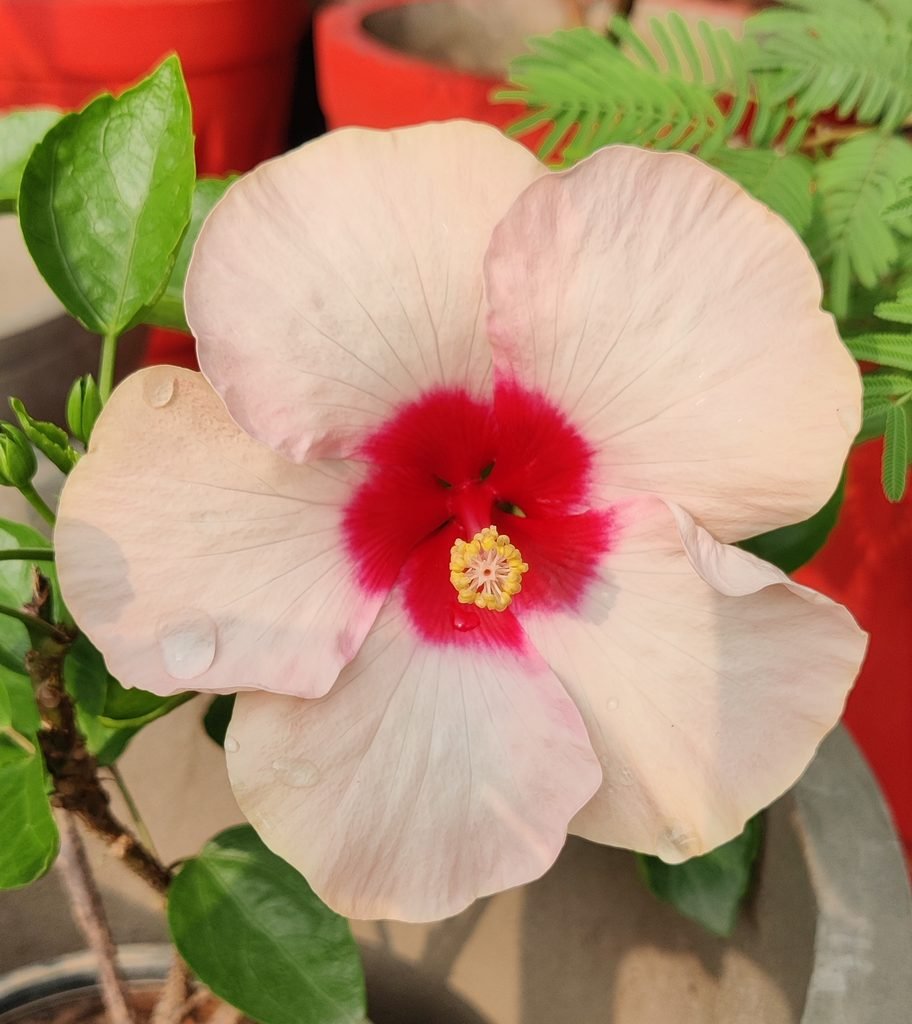
The Hibiscus plant, commonly known as Gudhal in India, is one of the most beautiful and popular flowering plants found in gardens and homes. Famous for its large, colourful and attractive flowers, Hibiscus adds natural beauty to any outdoor or indoor space.
Belonging to the Malvaceae family, Hibiscus is widely grown in tropical and subtropical regions. Its flowers are commonly found in shades of red, pink, yellow, orange and white.
Apart from its beauty, the Hibiscus plant is also valued for its traditional uses and cultural importance. With proper sunlight, watering and care, this plant can produce beautiful flowers for a long period.
1. Botanical Information About Hibiscus
- Common Name: Gudhal / China Rose
- Scientific Name: Hibiscus rosa-sinensis
- Family: Malvaceae
- Plant Type: Flowering Shrub
- Native Region: Tropical Asia (commonly associated with China in cultivation history)
- Flower Colours: Red, Pink, Yellow, Orange and White
- Sunlight Requirement: 5–6 hours of sunlight
- Growing Season: Mainly warm months
- Lifespan: Perennial plant
2. Different Types of Hibiscus Plants
There are several varieties of Hibiscus plants. Some popular types include:
1. Red Hibiscus: One of the most commonly grown varieties, known for its bright red flowers.
2. Pink Hibiscus: Recognised for its soft pink and attractive blooms.
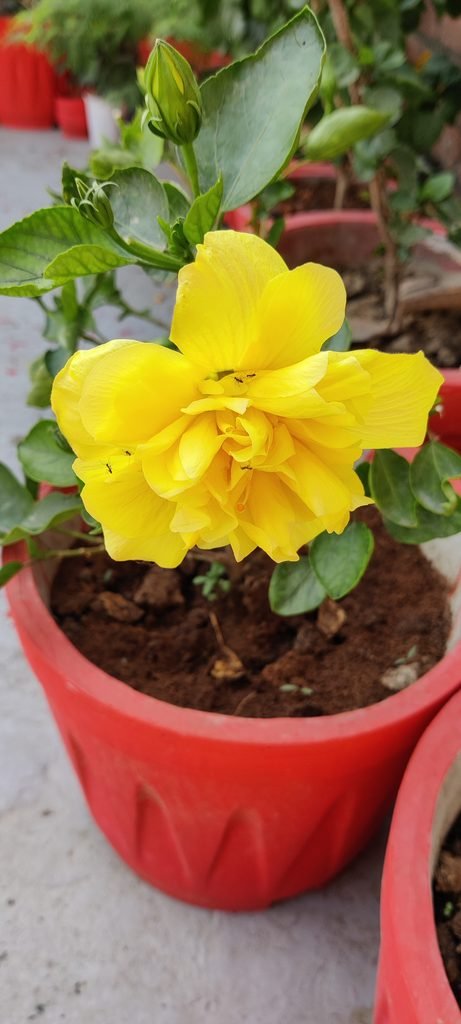
3. Yellow Hibiscus: A beautiful variety that adds a bright and cheerful appearance to gardens.
4. White Hibiscus: Popular for its elegant and delicate white flowers.
5. Double Hibiscus: This variety has multiple layers of petals, giving the flower a fuller appearance.
3. How to Grow a Hibiscus Plant
Growing a Hibiscus plant at home is quite easy if you follow a few basic steps.
Step 1: Choose the Right Location
Select a sunny location where the plant can receive at least 5–6 hours of sunlight every day.
Step 2: Select a Suitable Pot
Choose a pot with proper drainage holes. A medium-sized pot is suitable for a young plant.
Step 3: Prepare the Soil
Use well-draining and fertile soil. A mixture of garden soil, compost and cocopeat can help provide suitable growing conditions.
Step 4: Planting
You can grow Hibiscus through seeds or stem cuttings. Healthy stem cuttings are commonly used for propagation.
Step 5: Watering
Water the plant when the upper layer of soil begins to feel dry. Avoid overwatering because it can damage the roots.
4. Hibiscus Plant Care Tips
To keep your Hibiscus healthy and encourage flowering, follow these care tips:
- Sunlight: Provide 5–6 hours of direct sunlight daily.
- Watering: Keep the soil slightly moist but never waterlogged.
- Soil: Use fertile, well-draining soil.
- Fertilizer: Apply balanced fertilizer during the growing season according to the product instructions.
- Pruning: Remove dry and damaged branches to encourage healthy growth.
- Pest Control: Regularly check for common pests such as aphids, mealybugs and whiteflies.
- Repotting: Repot when the plant becomes root-bound.
5. Benefits of the Hibiscus Plant
The Hibiscus plant is appreciated for several reasons:
1. Beautifies Your Garden
Its colourful flowers make gardens, balconies and outdoor spaces more attractive.
2. Attracts Pollinators
Hibiscus flowers can attract butterflies and other pollinating insects.
3. Traditional Uses
Hibiscus flowers and leaves are used in some traditional hair-care and herbal preparations.
4. Cultural Importance
In India, Hibiscus flowers are commonly used in religious offerings and पूजा.
5. Suitable for Home Gardening
Hibiscus can be grown in gardens as well as in pots, making it a popular choice for home gardeners.
6. Common Problems in Hibiscus Plants
Even though Hibiscus is relatively easy to grow, gardeners may sometimes face these problems:
- Yellow Leaves: May be caused by overwatering, nutrient deficiencies or other growing conditions.
- No Flowers: Insufficient sunlight, excessive nitrogen or unsuitable growing conditions may reduce flowering.
- Leaves Falling: Sudden changes in temperature, watering problems or stress can cause leaf drop.
- Pest Attacks: Aphids, mealybugs and whiteflies may affect plant health.
Regular observation and proper care can help prevent many of these problems.
7. Frequently Asked Questions (FAQs)
Q1. Is the Hibiscus plant easy to grow at home?
Yes, Hibiscus is relatively easy to grow at home. It needs sufficient sunlight, suitable soil and regular watering.
Q2. How much sunlight does a Hibiscus plant need?
It generally grows well with around 5–6 hours of direct sunlight daily.
Q3. How often should I water my Hibiscus plant?
Water it when the top layer of soil starts drying. The watering frequency depends on the weather and pot size.
Q4. Why is my Hibiscus plant not flowering?
Insufficient sunlight, incorrect watering, excessive nitrogen and lack of suitable nutrients can affect flowering.
Q5. Can Hibiscus grow in pots?
Yes, Hibiscus grows very well in pots with proper drainage and enough space for root growth.
Conclusion
The Hibiscus plant is a wonderful addition to any home garden. Its beautiful flowers, easy maintenance and traditional importance make it a favourite among plant lovers.
Whether you are a beginner or an experienced gardener, growing a Hibiscus plant can be a rewarding experience. With the right care and attention, you can enjoy its colourful flowers and bring a little more nature into your everyday life.
Grow Green, Stay Happy! 🌺
Rose Plant: A Complete Guide to Growing, Types, Benefits and Care
Introduction
The Rose plant, commonly known as Gulab in India, is one of the most beautiful and popular flowering plants in the world. Known for its attractive colours, delicate petals and pleasant fragrance, the Rose is often called the Queen of Flowers.
The Rose plant belongs to the Rosaceae family and is widely grown in gardens, parks, homes and commercial flower farms. Roses are available in a variety of colours, including red, pink, white, yellow, orange, peach and purple.
Rose flowers are commonly used for bouquets, decorations, perfumes, cosmetics and special occasions. They are also associated with love, beauty, friendship and affection.
With proper sunlight, watering, pruning and care, Rose plants can produce beautiful flowers and make any garden look colourful and attractive.
1. Botanical Information About Rose
- Common Name: Rose / Gulab
- Scientific Name: Rosa species
- Family: Rosaceae
- Plant Type: Perennial flowering shrub or climber
- Native Region: Asia, Europe, North America and Northwest Africa (depending on species)
- Flower Colours: Red, Pink, White, Yellow, Orange, Peach and Purple
- Sunlight Requirement: 5–6 hours of direct sunlight
- Growing Season: Mainly autumn, winter and spring in many parts of India
- Lifespan: Perennial plant
2. Different Types of Rose Plants
There are thousands of Rose varieties available around the world. They differ in flower size, petal structure, fragrance, plant growth and colour.
Some popular types of Rose plants include:
1. Hybrid Tea Rose
Hybrid Tea Roses are among the most popular garden roses. They produce large, elegant flowers, usually with a high-centred shape and long stems. They are commonly used for bouquets and floral arrangements.
2. Floribunda Rose
Floribunda Roses are known for producing clusters of flowers on a single branch. They are available in several colours and are excellent for garden beds and landscaping.
3. Grandiflora Rose
Grandiflora Roses are a group of roses that combine features of Hybrid Tea and Floribunda roses. They produce large flowers, often in clusters, and are popular in ornamental gardens.
4. Miniature Rose
Miniature Roses are small plants with tiny leaves and beautiful little flowers. They are ideal for pots, balconies, table gardens and small spaces.
5. Climbing Rose
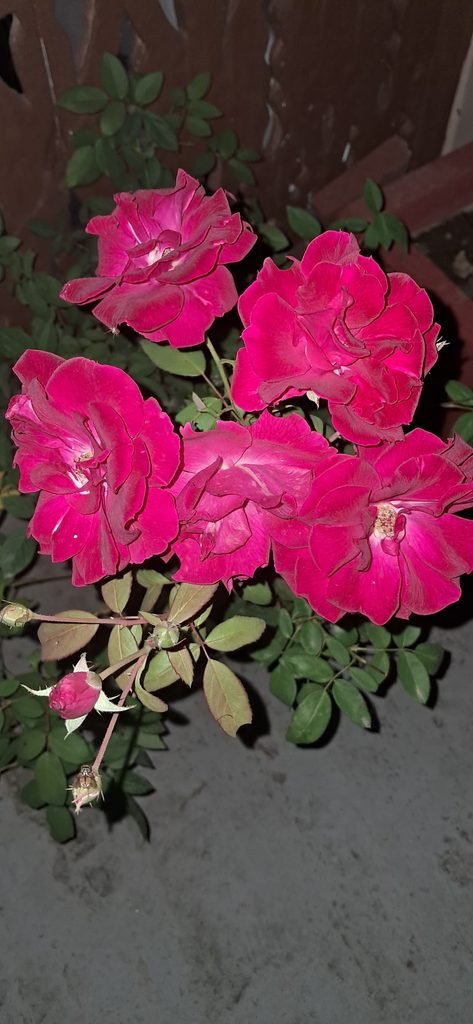
Climbing Roses have long and flexible branches that can be trained along walls, fences, arches and garden supports. They produce attractive flowers and are perfect for vertical gardening.
6. English Rose
English Roses are popular for their beautiful, full-petalled flowers and rich fragrance. Many varieties are bred by David Austin and are appreciated for their traditional garden appearance.
7. Damask Rose
Damask Roses are famous for their strong fragrance and traditional importance. They are widely used in rose water, perfumes and traditional rose preparations.
8. Desi Gulab (Indian Rose)
Desi Gulab is a commonly grown traditional rose in India. It is appreciated for its fragrance and is often used for पूजा, garlands, rose water and other traditional purposes.
9. Black Baccara Rose
Black Baccara is a popular dark red Hybrid Tea Rose. Its deep burgundy petals give it a dramatic and elegant appearance.
10. Iceberg Rose
Iceberg Rose is a popular Floribunda variety known for its beautiful white flowers. It produces flowers in clusters and is commonly used in gardens and landscaping.
11. Peace Rose
Peace Rose is a famous Hybrid Tea variety known for its large flowers with yellow centres and pink outer edges. It is admired for its attractive colour combination.
12. Mr. Lincoln Rose
Mr. Lincoln is a well-known red Hybrid Tea Rose. It is famous for its deep red flowers and strong fragrance.
13. Double Delight Rose
Double Delight is a popular Hybrid Tea Rose with creamy white petals and red edges. Its attractive colour combination and fragrance make it a favourite among rose lovers.
14. Queen Elizabeth Rose
Queen Elizabeth is a famous Grandiflora Rose. It produces beautiful pink flowers and is appreciated for its upright growth and garden performance.
15. Blue Moon Rose
Blue Moon is a popular lavender-coloured Hybrid Tea Rose. It is known for its beautiful flowers and pleasant fragrance.
3. How to Grow a Rose Plant
Growing a Rose plant at home can be a rewarding experience. Follow these simple steps to grow a healthy Rose plant.
Step 1: Choose the Right Location
Select a sunny location where your Rose plant can receive at least 5–6 hours of direct sunlight every day. Good air circulation is also important.
Step 2: Select a Suitable Pot
Choose a medium or large-sized pot with proper drainage holes. Roses need enough space for their roots to grow properly.
Step 3: Prepare the Soil
Rose plants grow well in fertile, organic-rich and well-draining soil. You can prepare a potting mixture using garden soil, compost and cocopeat or other suitable drainage materials.
Step 4: Planting
You can grow Roses through nursery plants, stem cuttings or grafted plants. For beginners, buying a healthy nursery-grown plant is a convenient option.
Step 5: Watering
Water the plant deeply when the upper layer of soil begins to dry. Avoid overwatering and waterlogging.
Step 6: Provide Support
Some climbing Rose varieties need suitable supports such as trellises, arches or fences to grow properly.
4. Rose Plant Care Tips
Proper care is important for healthy growth and beautiful flowering.
- Sunlight: Provide around 5–6 hours of direct sunlight daily.
- Watering: Water deeply when the top layer of soil begins to dry.
- Soil: Use fertile and well-draining soil rich in organic matter.
- Fertilizer: Apply suitable Rose fertilizer or compost during the growing season according to instructions.
- Pruning: Remove dry, damaged and weak branches. Prune according to the Rose variety and local growing season.
- Deadheading: Remove faded flowers to encourage further flowering in repeat-blooming varieties.
- Pest Control: Regularly check for aphids, spider mites and other common garden pests.
- Air Circulation: Keep enough space between plants to reduce fungal problems.
- Mulching: Add a layer of organic mulch around the plant while keeping it away from the main stem.
5. Benefits of Rose Plants
Rose plants are valued for their beauty, fragrance and several traditional uses.
1. Beautifies Gardens
Roses add colour, fragrance and elegance to gardens, balconies and outdoor spaces.
2. Decorative Uses
Rose flowers are widely used in bouquets, wedding decorations, flower arrangements and special occasions.
3. Perfume and Fragrance
Rose petals are used in the production of perfumes, rose oils and other fragrance products.
4. Rose Water
Rose petals are traditionally used to prepare rose water, which is commonly used in cosmetics and personal-care products.
5. Cultural Importance
In India, roses are commonly used in religious ceremonies, celebrations, festivals and traditional decorations.
6. Attracts Pollinators
Some Rose varieties provide pollen and attract bees and other beneficial insects.
6. Common Problems in Rose Plants
Rose plants may sometimes face problems that affect their growth and flowering.
1. Yellow Leaves
Yellow leaves may be caused by overwatering, poor drainage, nutrient deficiencies or other growing conditions.
2. Black Spot Disease
Black Spot is a common fungal disease that causes dark spots on Rose leaves. Infected leaves may turn yellow and fall off.
3. Powdery Mildew
Powdery Mildew appears as a white powder-like coating on leaves and young shoots. Good air circulation can help reduce the risk.
4. Aphid Attacks
Aphids are small insects that commonly gather on new shoots and flower buds. They can affect healthy plant growth.
5. No Flowers
Insufficient sunlight, improper pruning, unsuitable fertilizer or poor growing conditions may reduce flowering.
6. Bud Dropping
Rose buds may drop before opening due to temperature changes, irregular watering, pest attacks or other plant stresses.
Regular observation and proper plant care can help prevent many of these problems.
7. Frequently Asked Questions (FAQs)
Q1. Is the Rose plant easy to grow at home?
Yes, Rose plants can be grown at home in pots or garden beds. They need sufficient sunlight, suitable soil, regular watering and basic maintenance.
Q2. How much sunlight does a Rose plant need?
Most Roses grow well with around 5–6 hours or more of direct sunlight daily.
Q3. How often should I water a Rose plant?
Water when the upper layer of soil begins to dry. The frequency depends on the weather, pot size and soil conditions.
Q4. Which season is best for growing Roses in India?
Autumn is a popular planting season for Roses in many parts of North India. Winter and spring are also important flowering seasons.
Q5. Can Rose plants grow in pots?
Yes, many Rose varieties grow very well in pots. Choose a suitable pot with proper drainage.
Q6. Why is my Rose plant not flowering?
Insufficient sunlight, improper pruning, unsuitable fertilizer and environmental stress may affect flowering.
Q7. How can I get more flowers on my Rose plant?
Provide adequate sunlight, suitable fertilizer, regular watering and timely pruning. Remove faded flowers from repeat-blooming varieties.
Q8. Which Rose variety is best for beginners?
Floribunda, Miniature and some hardy Hybrid Tea varieties can be good choices for beginners, depending on local climate and growing conditions.
Conclusion
The Rose plant is one of the most loved flowering plants in the world. Its beautiful flowers, attractive colours, pleasant fragrance and cultural importance make it a favourite among gardeners and flower lovers.
Whether you grow a Rose plant in a garden, balcony or pot, it can add elegance and natural beauty to your surroundings.
With proper sunlight, watering, pruning and regular care, you can enjoy healthy Rose plants and beautiful blooms throughout their flowering seasons.
Grow Roses, Spread Beauty and Happiness! 🌹