Marigold Flower: A Complete Guide to Growing, Types, Benefits and Care
Introduction
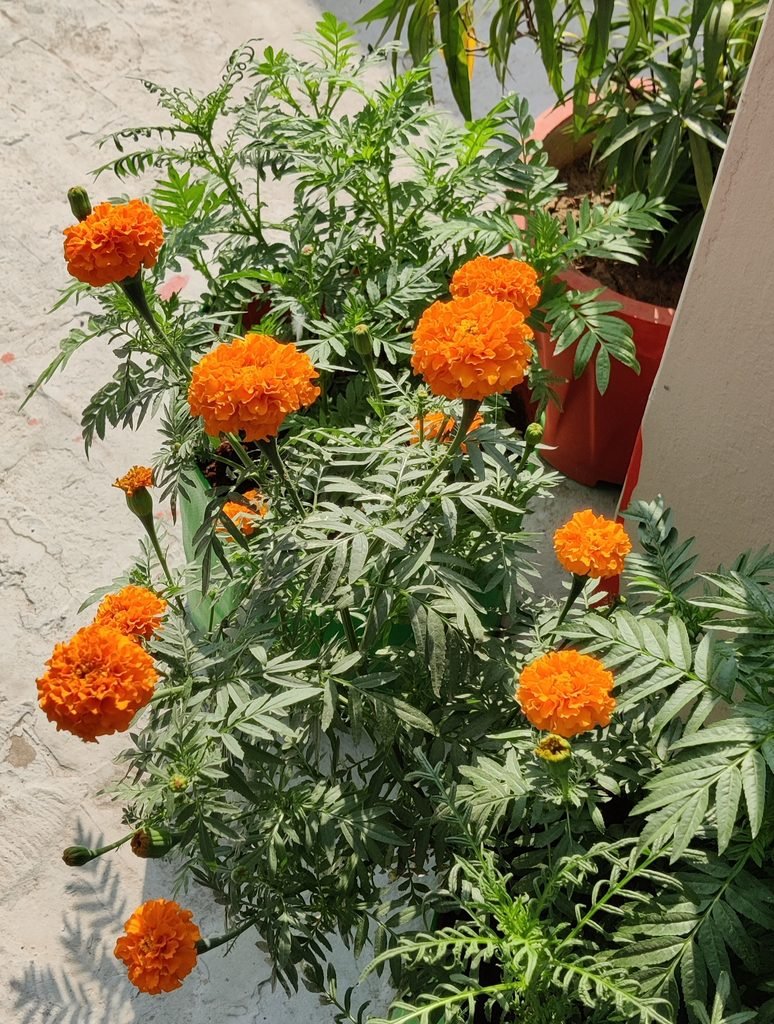
Marigold, commonly known as Genda Phool in India, is one of the most popular and beautiful flowering plants grown in gardens and homes. Known for its bright yellow, golden and orange flowers, Marigold adds colour, freshness and beauty to any outdoor space.
The Marigold plant belongs to the Asteraceae family and is widely grown in tropical and subtropical regions. It is especially popular in India because of its cultural, religious and decorative importance.
Marigold flowers are commonly used for making garlands, decorating homes, festivals, weddings and religious ceremonies. These plants are also loved by gardeners because they are easy to grow and require relatively little maintenance.
Whether you have a small balcony garden or a large outdoor space, Marigold is an excellent choice for adding natural beauty to your surroundings.
1. Botanical Information About Marigold
- Common Name: Marigold / Genda Phool
- Scientific Name: Tagetes species
- Family: Asteraceae
- Plant Type: Annual flowering plant (most commonly cultivated varieties)
- Native Region: Mexico and Central America
- Flower Colours: Yellow, Golden, Orange and Red-orange
- Sunlight Requirement: 5–6 hours of direct sunlight
- Growing Season: Mainly autumn, winter and spring in many parts of India
- Lifespan: Usually one growing season
2. Different Types of Marigold Flowers
Marigold flowers are available in different varieties, sizes, shapes and colours. Some varieties produce large, round flowers, while others have small, compact and colourful blooms.
Here are some popular types of Marigold flowers:
1. Kolkata Orange Marigold
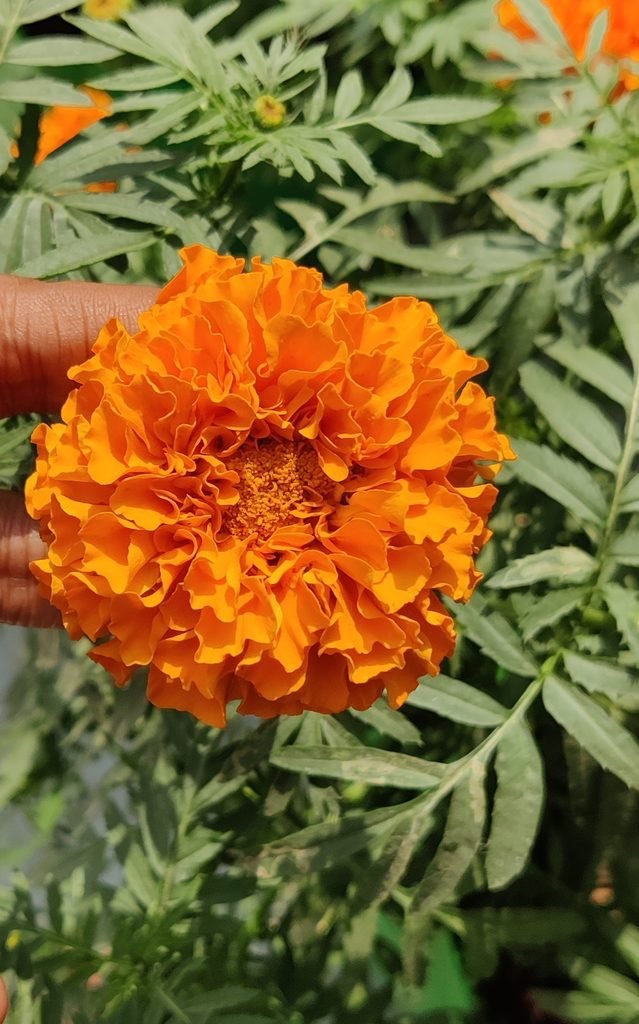
Kolkata Orange Marigold is a popular orange-flowered type grown for decorative purposes and loose flower production. It is known for its attractive orange colour and beautiful flower heads. It is commonly used in garlands and religious ceremonies.
2. Kolkata Yellow Marigold
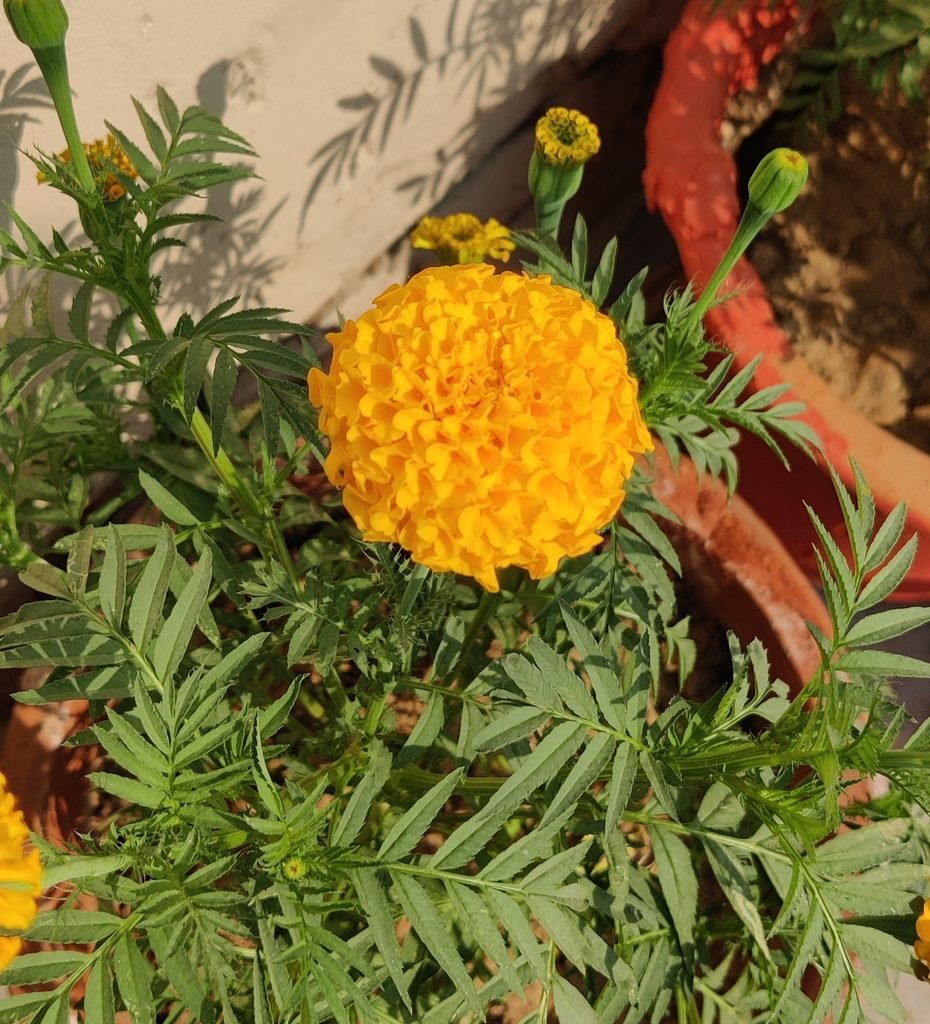
Kolkata Yellow Marigold is admired for its bright yellow flowers. Its attractive colour makes it suitable for garden decoration, garlands and floral arrangements.
3. Round Ball Marigold
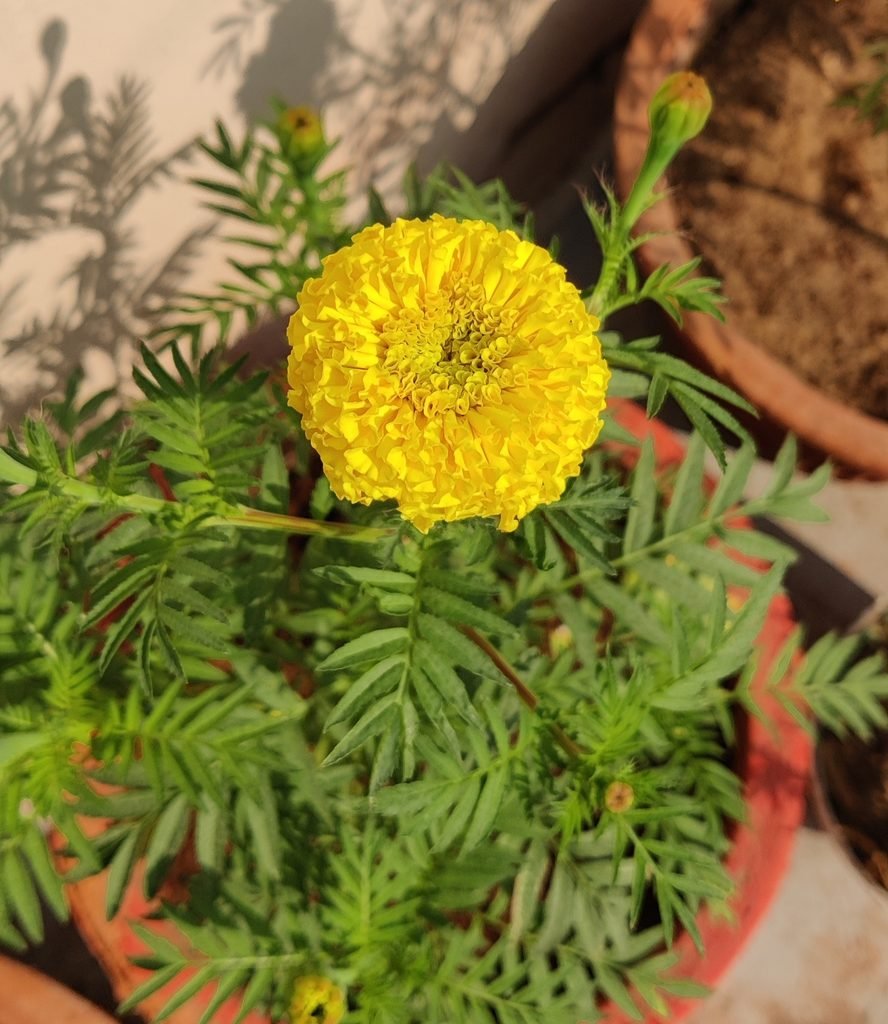
Round Ball Marigold is known for its rounded, ball-shaped blooms. Its compact and attractive flower structure makes it suitable for garlands, bouquets and decorative arrangements. It is commonly found in yellow and orange shades.
4. African Giant Double Orange Marigold
African Giant Double Orange Marigold is famous for its large, fluffy and fully double orange flowers. The plant generally grows taller than French Marigold and is widely cultivated in gardens and flower fields.
5. African Giant Double Yellow Marigold
This variety produces large, round and attractive yellow flowers. Its bright golden-yellow colour makes it a popular choice for gardens, landscaping and flower decorations.
6. Pusa Narangi Gainda
Pusa Narangi Gainda is an improved Indian variety of African Marigold. It produces beautiful orange-coloured flowers and is popular for loose flower production and garlands.
7. Pusa Basanti Gainda
Pusa Basanti Gainda is another popular Indian variety of African Marigold. It is known for its attractive yellow flowers and is widely appreciated by gardeners and flower growers.
8. French Marigold
French Marigold (Tagetes patula) is a compact and bushy flowering plant. It produces smaller flowers in different colour combinations, including yellow, orange and reddish-brown. It is an excellent choice for pots, garden borders and balcony decoration.
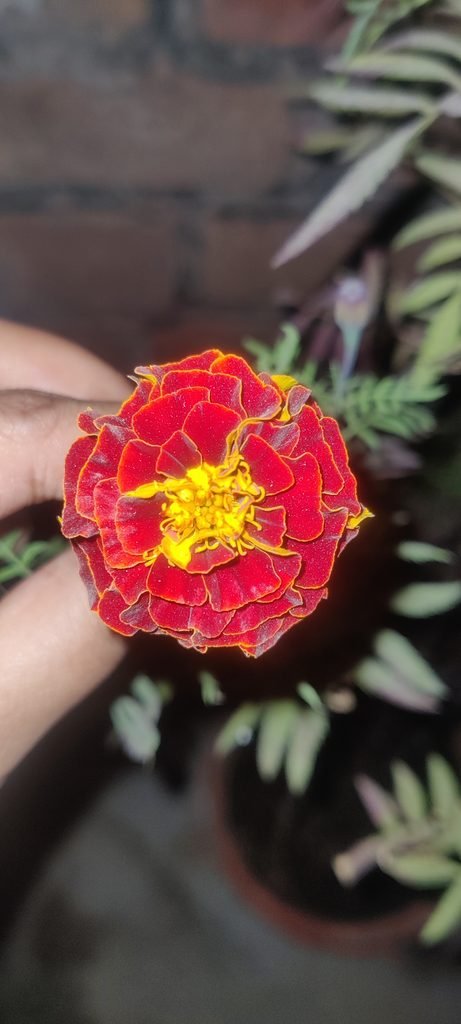
9. Crackerjack Marigold
Crackerjack is a popular African Marigold variety known for its large, colourful and double flowers. It is commonly grown in gardens and appreciated for its attractive appearance.
10. Bonanza Marigold
Bonanza is a popular French Marigold series that produces compact plants with colourful flowers. Its flowers are available in attractive shades of yellow, orange and red combinations. It is suitable for pots, flower beds and garden borders.
11. Signet Marigold
Signet Marigold (Tagetes tenuifolia) is a small and bushy plant with delicate, finely divided leaves. It produces tiny, single flowers in yellow and orange shades and is ideal for garden borders and decorative pots.
12. Pusa Arpita Marigold
Pusa Arpita is an improved variety of French Marigold. It is known for its compact growth and attractive flowers. It is suitable for garden decoration, flower beds and pot cultivation.
Note: Some names refer to botanical types, while others are commercial varieties or flower forms. Their appearance may vary depending on the cultivar and growing conditions.
3. How to Grow a Marigold Plant
Growing Marigold at home is simple and enjoyable. Follow these basic steps to grow healthy plants.
Step 1: Choose the Right Location
Select a sunny location where your Marigold plant can receive at least 5–6 hours of direct sunlight every day.
Step 2: Select a Suitable Pot
Choose a pot with proper drainage holes. A medium-sized pot is suitable for most home-grown Marigold varieties.
Step 3: Prepare the Soil
Marigold grows well in fertile and well-draining soil. You can prepare a suitable potting mixture using garden soil, compost and cocopeat.
Step 4: Sowing the Seeds
Sow Marigold seeds in moist soil at a shallow depth. Cover them lightly with soil and water gently. Seeds generally germinate within a few days under suitable conditions.
Step 5: Transplanting
When seedlings develop a few sets of true leaves and become strong enough, carefully transfer them into individual pots or garden beds.
Step 6: Watering
Water the plant regularly, but avoid overwatering. Allow the upper layer of soil to dry slightly before watering again.
4. Marigold Plant Care Tips
Proper care helps Marigold plants grow healthy and produce beautiful flowers.
- Sunlight: Provide 5–6 hours of direct sunlight daily.
- Watering: Water when the top layer of soil begins to dry.
- Soil: Use fertile and well-draining soil.
- Fertilizer: Apply compost or a balanced fertilizer according to the product instructions.
- Pruning: Remove dry leaves and faded flowers regularly.
- Pinching: Pinching the growing tips of young plants can encourage bushier growth.
- Pest Control: Check regularly for aphids, spider mites and other common garden pests.
- Spacing: Give plants enough space for proper air circulation and healthy growth.
5. Benefits of Marigold Flowers
Marigold flowers offer several benefits and are widely appreciated for their beauty and usefulness.
1. Beautifies Gardens
The bright colours of Marigold flowers make gardens, balconies and outdoor spaces more attractive.
2. Attracts Pollinators
Marigold flowers can attract bees, butterflies and other beneficial insects to the garden.
3. Decorative Uses
Marigold flowers are commonly used in garlands, bouquets, flower arrangements and home decorations.
4. Cultural and Religious Importance
In India, Marigold flowers are widely used during festivals, weddings and religious ceremonies.
5. Companion Planting
Marigold is often grown alongside vegetables and other garden plants as part of companion planting. Some varieties may help reduce certain garden pest problems.
6. Common Problems in Marigold Plants
Sometimes Marigold plants may face a few common growing problems.
1. Yellow Leaves
Yellow leaves may result from overwatering, poor drainage or nutrient deficiencies.
2. No Flowers
Insufficient sunlight, excessive nitrogen fertilizer or unsuitable growing conditions may affect flowering.
3. Wilting Plants
Wilting can occur because of underwatering, overwatering or root-related problems.
4. Pest Attacks
Aphids, spider mites and other insects may damage leaves and flowers.
5. Powdery Mildew
A white powder-like coating on leaves may indicate a fungal disease called powdery mildew. Good air circulation and avoiding unnecessary wetting of leaves can help reduce the risk.
Regularly checking your plants and providing proper growing conditions can help keep them healthy.
7. Frequently Asked Questions (FAQs)
Q1. Is Marigold easy to grow at home?
Yes, Marigold is one of the easiest flowering plants to grow at home. It needs sunlight, suitable soil and regular watering.
Q2. How much sunlight does a Marigold plant need?
Marigold generally needs around 5–6 hours of direct sunlight daily for healthy growth and flowering.
Q3. How often should I water Marigold plants?
Water when the upper layer of soil starts drying. Avoid keeping the soil continuously wet.
Q4. Which season is best for growing Marigold in India?
Autumn and winter are popular growing seasons for Marigold in many parts of India. The exact sowing time depends on the variety and local climate.
Q5. Can Marigold grow in pots?
Yes, Marigold grows very well in pots and containers with proper drainage.
Q6. How long does Marigold take to flower?
Depending on the variety and growing conditions, Marigold generally starts flowering around 45–60 days after sowing.
Q7. Why are my Marigold flowers small?
Small flowers may result from insufficient sunlight, poor nutrition, overcrowding or unsuitable growing conditions.
Conclusion
Marigold is a wonderful flowering plant that adds beauty, colour and freshness to any garden. Its bright flowers, different varieties, cultural importance and easy maintenance make it a favourite among gardeners.
Whether you grow it in a garden bed, balcony or small pot, Marigold can make your surroundings more colourful and lively.
With proper sunlight, watering and basic care, you can enjoy beautiful Marigold flowers throughout their growing season.
Grow Flowers, Spread Happiness! 🌼